PIN (pin.com) is an AI recruiting tool that searches a licensed index of 850M+ profiles, writes outreach, follows up and books interviews, from $0 to about $179 per user a month. The best PIN alternatives in 2026 are Sprad (checks every profile against your requirements, LinkedIn and email in one inbox, €79 per seat or credits), Juicebox, Metaview, Gem, SeekOut, hireEZ and LinkedIn Recruiter Lite. In the Recruiting area of the open PeopleSearchBench, Sprad's Atlas leads with 73.5, 5.3 points ahead of second place1. Which tool fits depends on whether you need the widest net, an ATS around the search, or a tool that still works in Europe.
1 PeopleSearchBench (Recruiting), published by Lessie, October 2026. Other systems' scores as published in the benchmark; Atlas measured with the benchmark's open test procedure. Details on the sourcing benchmark page.
What PIN is and what it does
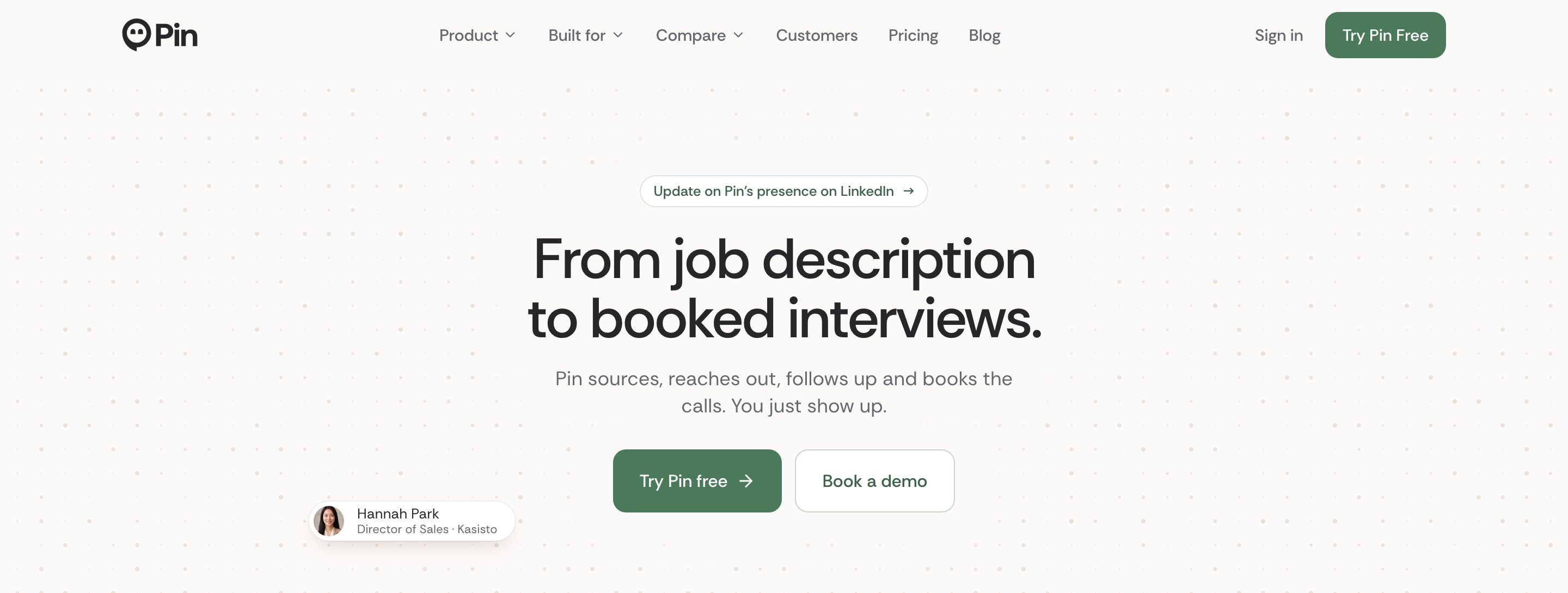
PIN is a US startup (Love Thy Recruiting, Inc., founded 2024). According to its own site it searches 850M+ profiles from licensed and public sources in plain language, ranks them against your criteria, drafts personalised outreach, sends email sequences from your Gmail or Outlook, handles replies and proposes interview slots. LinkedIn and SMS steps are tasks the recruiter sends, not automatic sends. You choose how much runs on its own: co-pilot, hybrid or full autopilot.
The pricing page lists four tiers (October 2026): Free ($0, 3 searches a day, 5 contact credits a week), Solo ($100 per month, annual billing only, 500 contact credits), Professional ($135 per user and month billed annually, $179 month to month, 1,000 credits per seat) and Enterprise (custom, ATS integration, SSO). One credit reveals one email address or phone number. PIN also lists SOC 2 Type II, 120+ ATS integrations and an MCP server. It has a thin public review base: 27 reviews on G2 at 4.8/5, according to PIN's own review page (September 2026).
Why teams look for a PIN alternative
PIN is a capable tool, and most reasons to switch are about fit, not failure. These are the ones that come up, all taken from PIN's own pages or from the benchmark below:
- Coverage on harder searches. PIN's own review page says reviewers saw a search miss a known candidate and thinner coverage outside tech, with two naming construction. In our benchmark PIN's results did not overlap with what the other tools found (see below).
- Credits meter the contact data. Every email or phone lookup costs a credit, 500 a month on Solo and 1,000 per seat on Professional. Heavy revealing means a higher tier.
- Outreach is mostly email. LinkedIn and SMS steps are manual tasks for the recruiter.
- Data and compliance in the EU. PIN's trust centre lists hosting on AWS in the United States. Its autopilot can screen and reject candidates automatically; PIN's own GDPR guide says tools that reject without human review likely breach Article 22. DACH teams need a data-protection check before switching it on.
- A young company. Founded in 2024, backed by $3M according to PIN. That is fine for a pilot, less so as the only system of record.
- No talent pool you own. Candidates you find live in PIN's CRM. If you cancel, so does the pipeline.
7 PIN alternatives compared
| Tool | Price (published) | How it finds people | ATS / CRM | Screening and interviews | DACH fit |
|---|---|---|---|---|---|
| 1. Sprad | Free (100 credits a month), Recruiter Lite €79 per seat and month, Atlas Recruiter €299; 30-80 % lower cost than separate LinkedIn and XING recruiter licences | One requirement search across 1B+ profiles (LinkedIn, XING, GitHub, your own pool, employee networks); every profile checked, Deep Context search; Quick Search in about 3 seconds | Built-in ATS, CRM and talent pool; LinkedIn (incl. InMail) and email in one inbox, AI templates and pitch format; raw-data export | CV screening; voice, video, chat and agent pre-qualification; WhatsApp for candidate chat | Built in Vienna, hosted in the EU; enterprise-grade compliance, XING included in the search |
| 2. Juicebox | From $99 per month; agents $199 each extra | Natural-language search, 800M+ profiles | 50+ ATS connectors, no own ATS | None | US-centred |
| 3. Metaview | Sourcing $100 per user and month (200 profiles), $300 unlimited | Plain-English brief, web search | 62+ integrations, notetaker | Voice screening agent, priced separately | US/UK-centred |
| 4. Gem | Agencies: $99 / $149 per user and month; in-house by company size | AI sourcing agent, 800M+ profiles | Own ATS and CRM | Scheduling only | US-centred |
| 5. SeekOut | Recruit Core $149 per month (annual); teams by quote | 1B+ profiles, deep technical and diversity filters | ATS sync on higher tiers | AI screening add-on | Global, UI partly German |
| 6. hireEZ | No public price; third parties report from about $169 per seat | Aggregated index, Boolean plus AI | Talent CRM, ATS connectors | Voice and chat screening | US-centred |
| 7. LinkedIn Recruiter Lite | $140 per month, annual contract | LinkedIn network only | Project folders | None | German interface, no DACH pricing |
Prices are the cheapest published paid tier per seat as stated by each vendor in October 2026, in the vendor's own currency, without VAT. Details change often, so check the vendor page before you buy.
How much do the tools find? PeopleSearchBench and one test of our own
The best public yardstick is PeopleSearchBench, an open benchmark by LessieAI with 119 real search tasks in four areas; we use its Recruiting area. It scores relevance, coverage and usefulness of the data. Recruiting scores:
| System | Recruiting |
|---|---|
| Sprad Atlas* | 73.5 |
| Lessie (publisher) | 68.2 |
| Juicebox | 65.7 |
| Exa | 64.7 |
| Claude Code | 50.5 |
*PeopleSearchBench (Recruiting), published by Lessie, October 2026. Other systems' scores as published in the benchmark; Atlas measured with the benchmark's open test procedure. In recruiting Atlas returned a full list of 15 profiles almost every time (14.2 on average). PIN is not part of this benchmark. Method and limits on the benchmark page.
How to tell real AI search from keyword search
Most tools in this comparison run a (semantic) keyword search and sort the hits. Atlas reads each profile against your requirements, one by one, and gives a reason per requirement. That is why it also finds people with a poorly maintained profile or without the "right" keywords.
Our rule of thumb from a year of running this: if results appear instantly, it is a keyword search, not AI qualification. Atlas offers Quick Search for first results in about 3 seconds, but the deep search takes a few minutes because far more AI runs per profile. Ask any vendor how long a search takes and what is checked per profile.
A second, smaller test: our own run of 15 August 2026
On 15 August 2026 we put the same three hard-to-fill roles through Sprad's Atlas, Juicebox, Metaview, PIN and LinkedIn Sales Navigator and counted how much of what the other tools found each system also found. The roles were a Senior Backend Engineer in Berlin, a Senior Product Manager in London and a Process Integration Engineer in Eindhoven. Every tool that accepts free text received the identical prompt; LinkedIn's criteria were translated into filters. 218 profiles were reviewed.
| System | Overall | Backend, Berlin | Product, London | Process, Eindhoven |
|---|---|---|---|---|
| Sprad Atlas | 38 % | 30 % | 43 % | 45 % |
| Juicebox | 9 % | 6 % | 5 % | 21 % |
| Metaview | 5 % | 7 % | 2 % | no usable result |
| LinkedIn Sales Navigator | 3 % | 2 % | 4 % | 3 % |
| PIN | 0 % | 0 % | 0 % | no usable result |
Read this with care. This is the second test, not the main evidence. It is one run on one day, three roles, and Sprad ran it, so treat it as a vendor study. The reference set is what the other systems found, not everyone who exists, and the tools barely overlap: on the Berlin role 72 of 76 people were found by exactly one system. A low score means PIN's hits were not the people the others found, not that its people are bad. For the same Berlin role PIN returned 2 profiles that met every must-have criterion, against 12 for Juicebox and 17 for Metaview. Search indexes change, so a rerun will not match to the percentage point. The full method and raw numbers are in the published Sourcing Benchmark. The only test that counts is your hardest open role.
1. Sprad: best for finding more people and keeping them
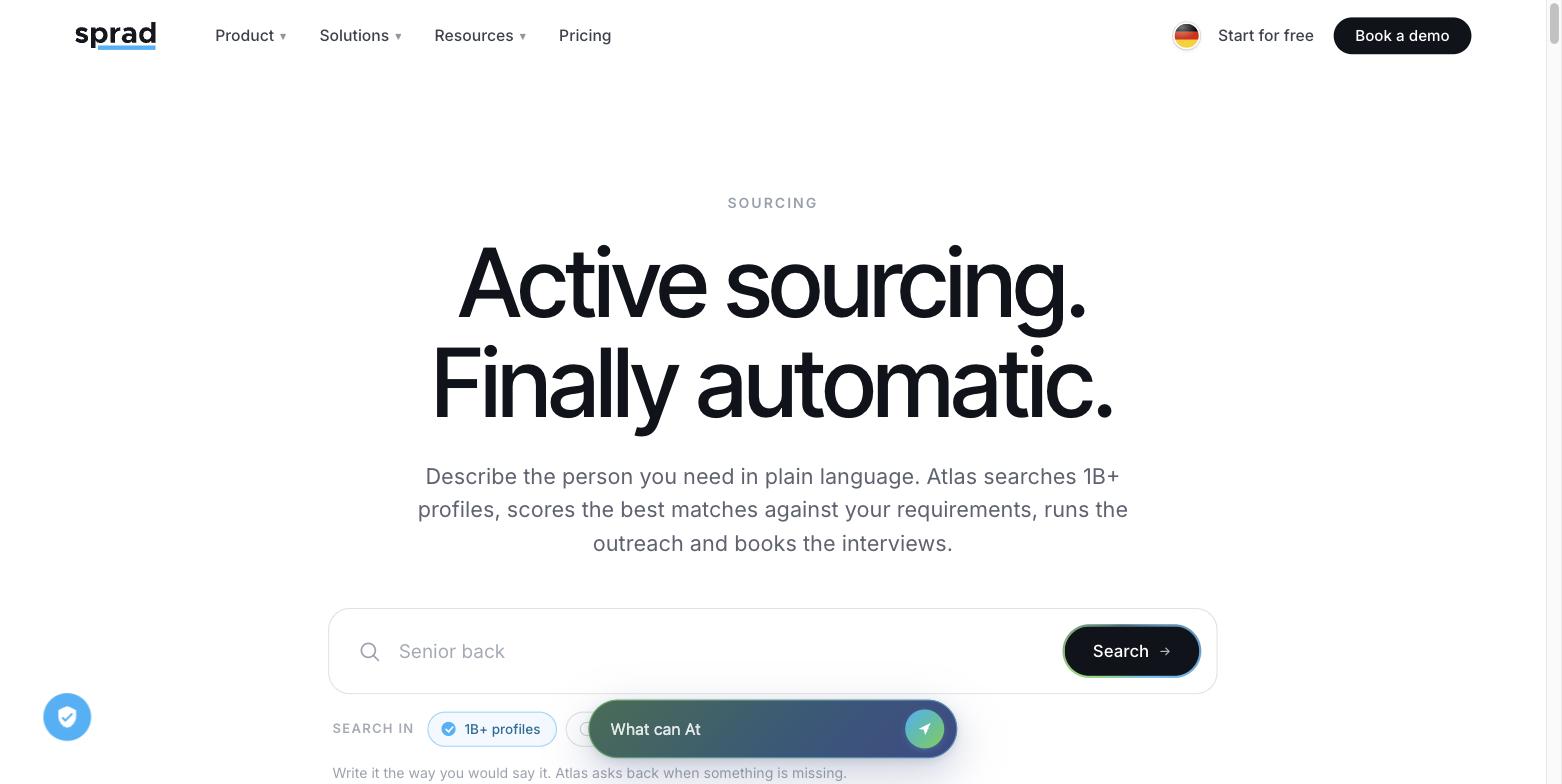
You describe the role in plain language and Atlas checks full profiles against your requirements, instead of counting keywords. One search covers LinkedIn, XING, GitHub and your own talent pool, with one of the largest profile databases (1B+ profiles worldwide). Deep Context search adds company context: find companies first, then the people who worked there in a given period, for example a CFO who guided a merger or someone who scaled a start-up through Series A/B. Details on the Active Sourcing page.
Outreach is where results turn into replies. Atlas contacts people on LinkedIn (connection request, message, InMail from your own quota) and by email, automated including follow-ups. AI templates can be trained with your feedback, ready-made ones come from us, and the pitch format turns the selling points of the role into suggested messages. Our recommendation: email plus LinkedIn is the biggest lever for reply rates. Both channels land in one inbox per talent; the system warns you if someone was already contacted (also for another role or by a colleague), and no context is lost when you switch channels.
Beyond that: you can upload your own LinkedIn network and search inside it, in-house teams can share employees' networks, and agencies can invite former candidates to connect theirs. Voice, video, chat and agent pre-qualification run in several languages; fully automated agents are included in Atlas Recruiter. Your data stays: the talent network with all invited talents remains free after cancelling, and a full raw-data export is available. A complete Claude MCP lets you run searches and build your own flows. Sprad has built recruiting software for seven years, starting with employee referrals, for start-ups as well as large groups, public bodies and insurers, which is why EU hosting and security are at enterprise level. Costs: 30-80 % lower than separate recruiter licences at LinkedIn and XING, depending on your set-up. See pricing and our AI sourcing tools overview.
2. Juicebox: the closest like-for-like swap
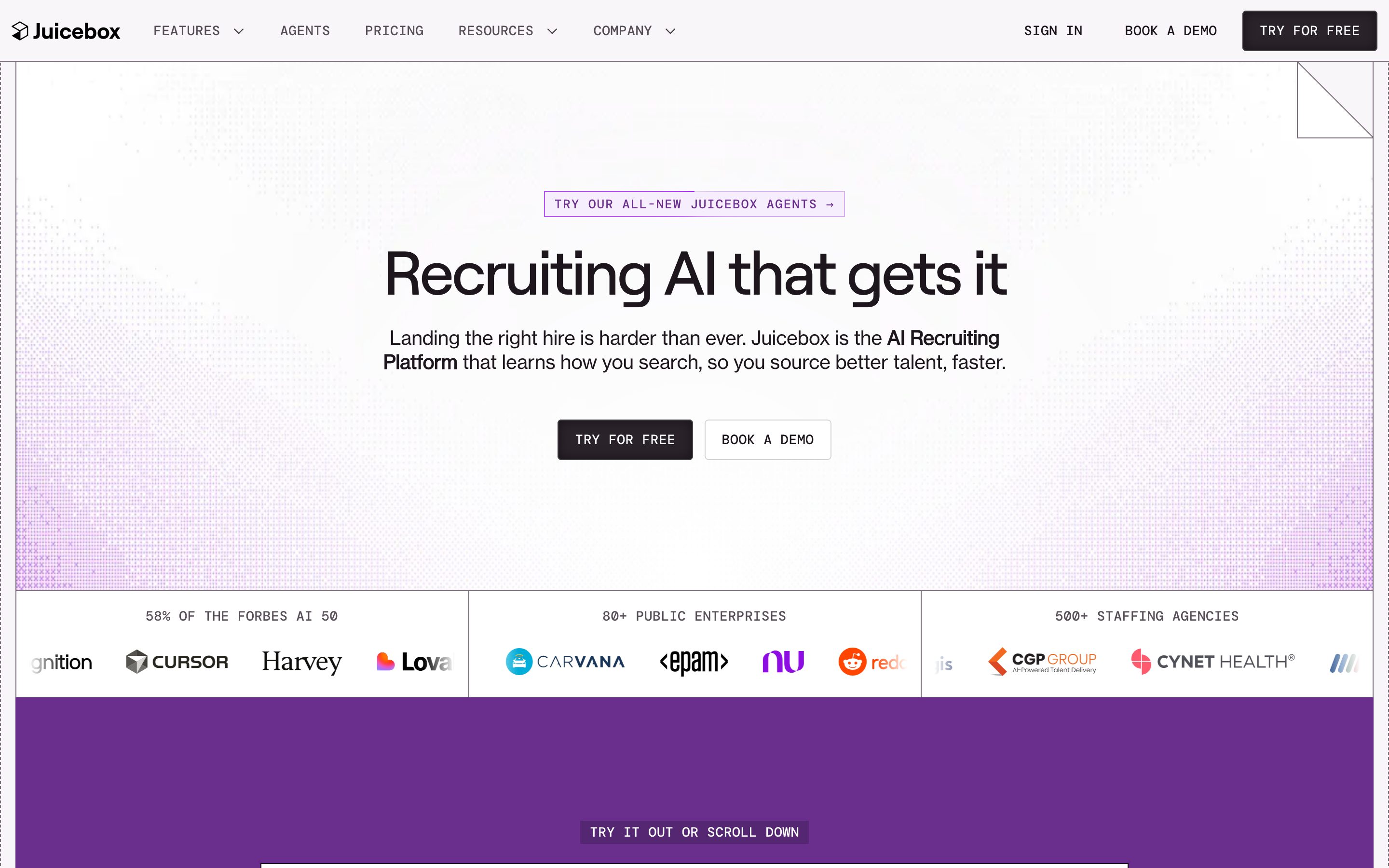
Juicebox is the tool PIN is most often measured against. It scores 65.7 in the PeopleSearchBench (Recruiting), and was the strongest competitor in our own August test with 9 % coverage. More in our Juicebox alternatives guide.
3. Metaview: sourcing next to interview notes
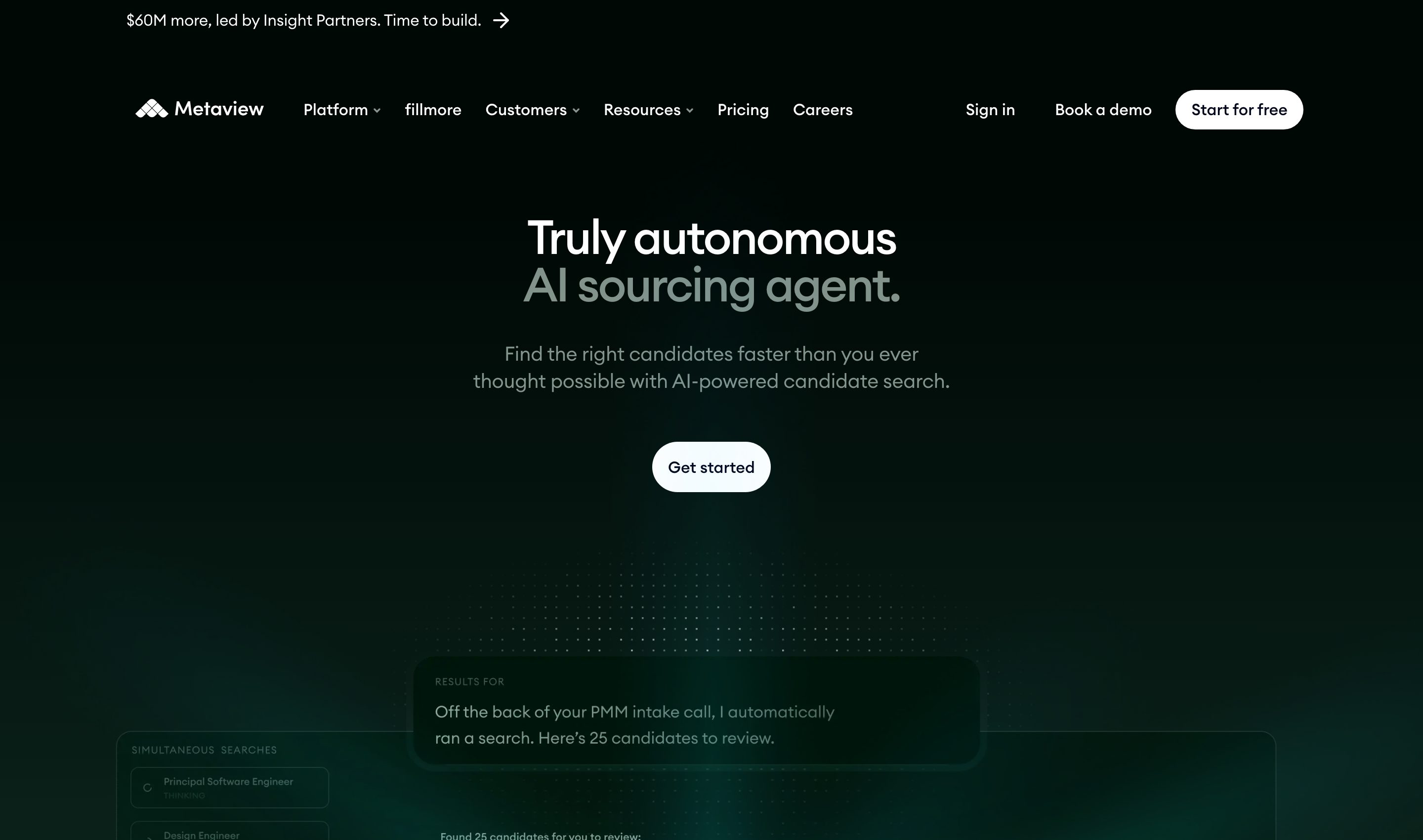
Metaview starts a search automatically after an intake call. In the benchmark it covered 5 % overall and returned no usable result for the Eindhoven role.
4. Gem: a CRM and ATS around the search
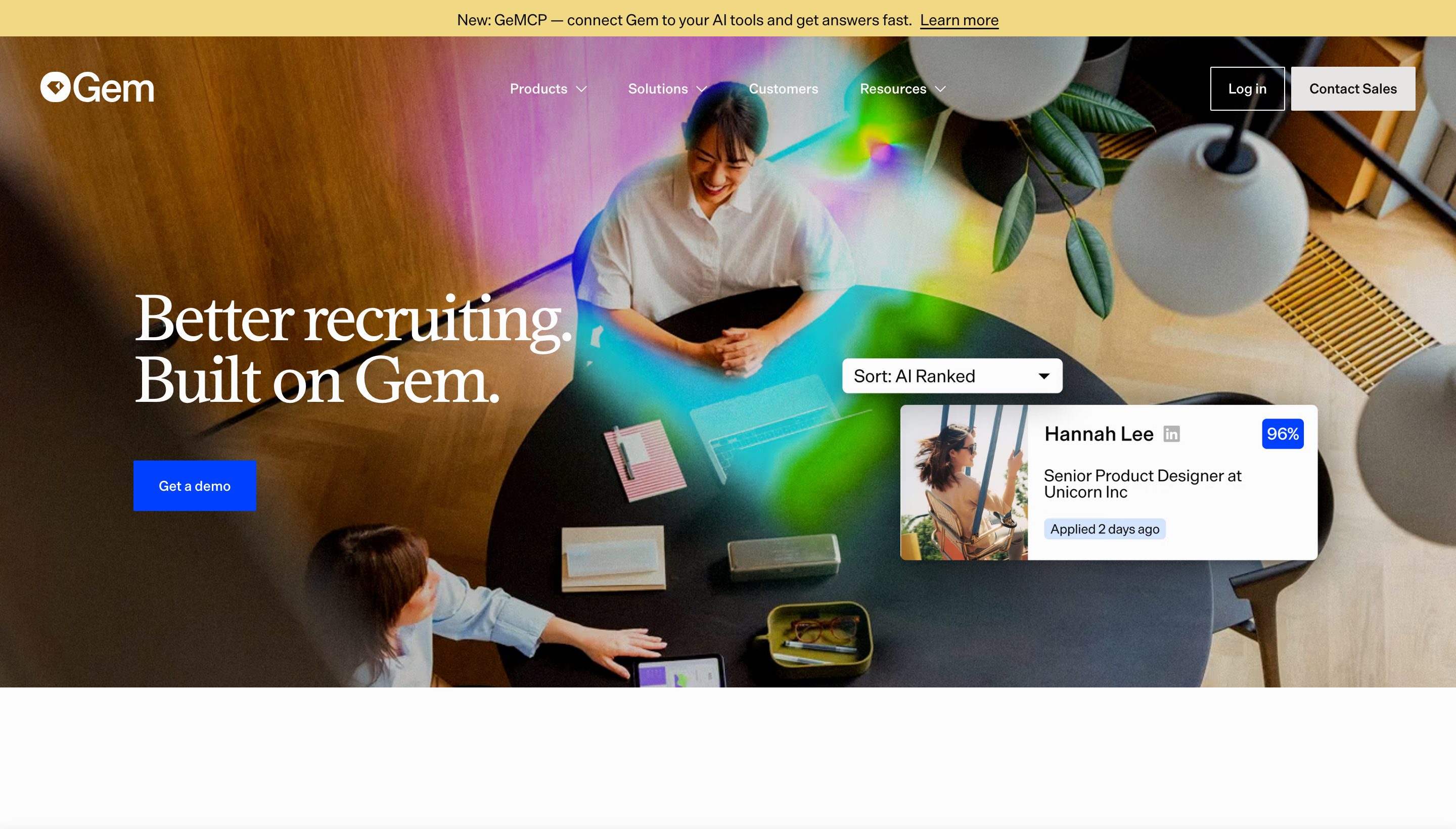
Gem is the choice if the problem is not finding people but keeping a pipeline organised. Expect a heavier rollout than with PIN.
5. SeekOut: enterprise talent search
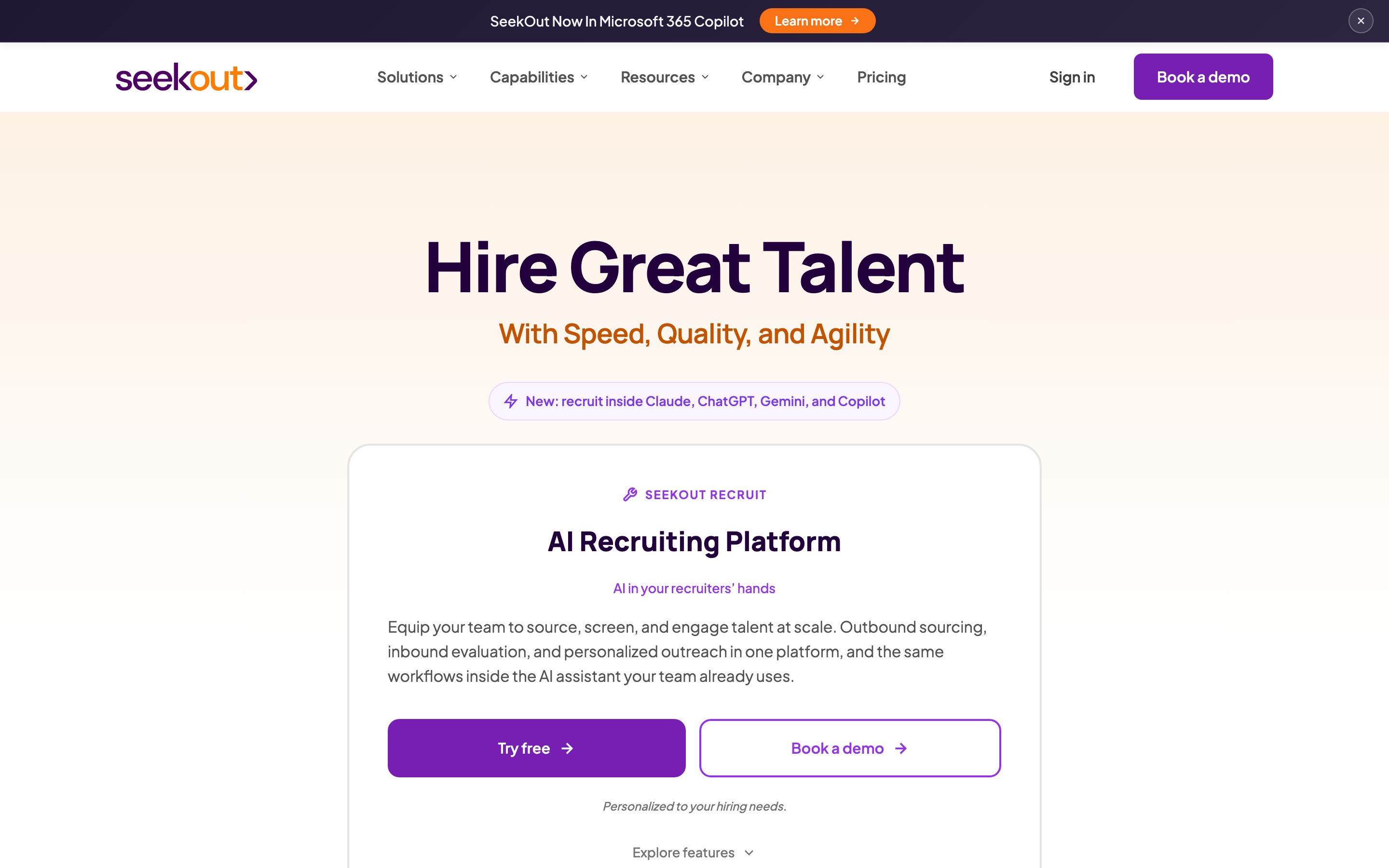
Our SeekOut alternatives page covers it in detail.
6. hireEZ: the broad suite
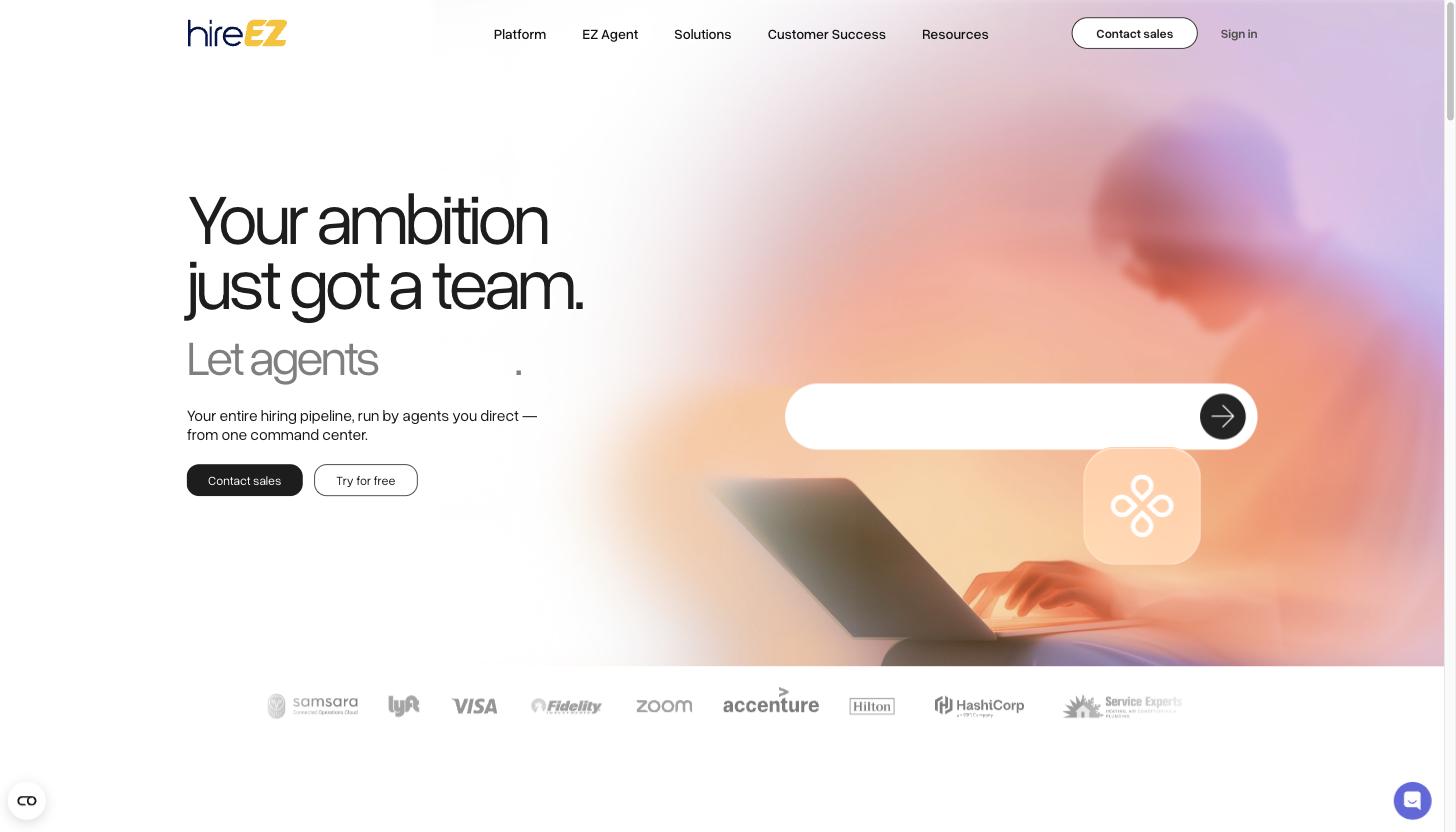
See also our hireEZ alternatives.
7. LinkedIn Recruiter Lite: the incumbent
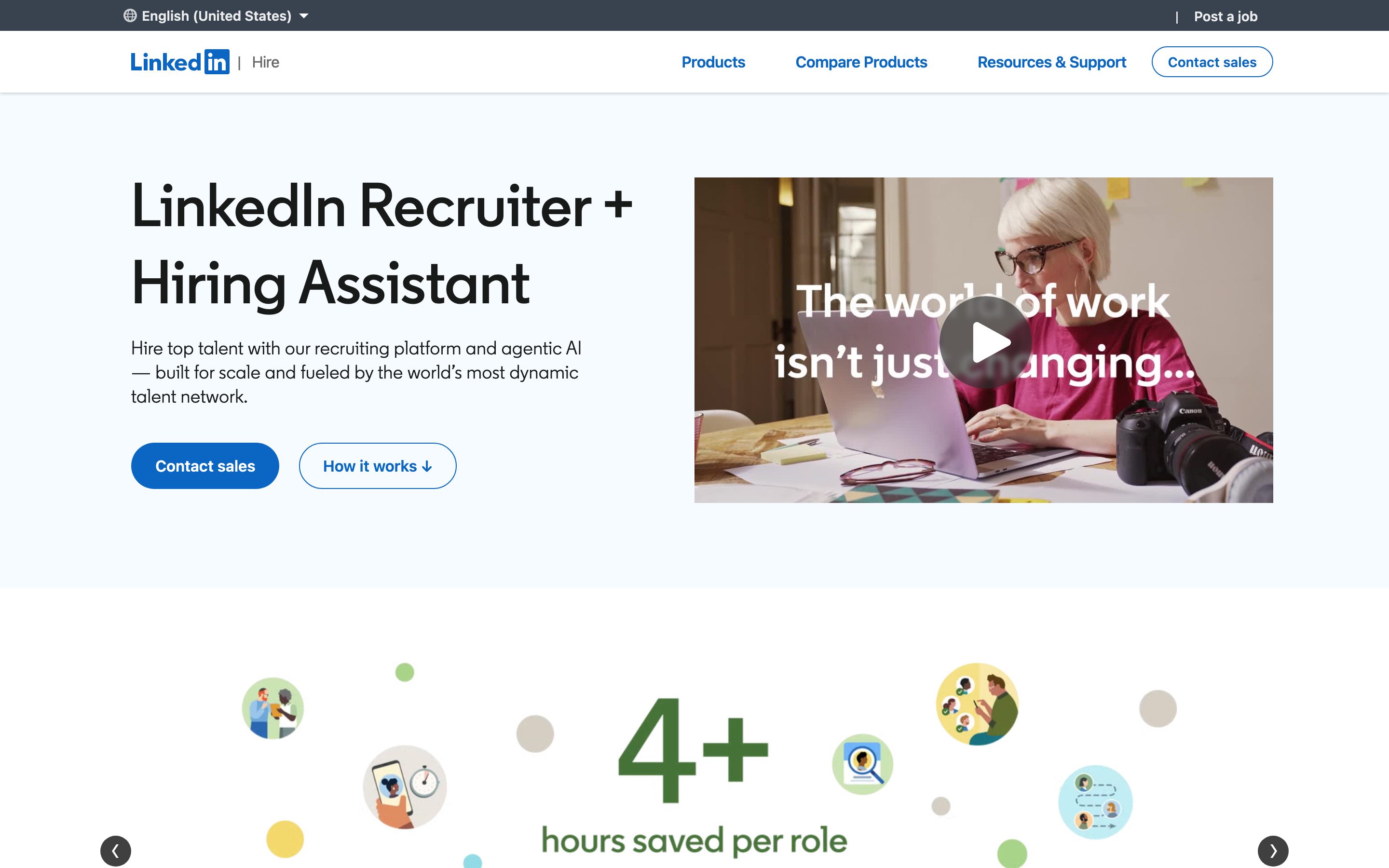
Cheaper ways to use it are in our LinkedIn Recruiter alternatives.
When PIN is still the right choice
- You hire mostly professional and technical roles in North America and want the whole chain to run in one place.
- You want email sequences from your own Gmail or Outlook plus automatic interview scheduling, and you accept credits for contact data.
- You use one of its 120+ ATS connectors and want a free tier to test on a live role.
Test it on one open role before you commit. That is also the cheapest way to see whether the 0 % in our own August test matters for your market.
Which tool for which situation
- You want more of the right people for hard roles and a pool you keep: Sprad.
- You work as a larger team and need one shared state (no double outreach, employee networks searchable): Sprad.
- You want PIN's workflow with another index: Juicebox.
- You record interviews already: Metaview.
- Your problem is pipeline hygiene: Gem.
- You are an enterprise team with technical roles: SeekOut.
- You source only on LinkedIn: stay with LinkedIn Recruiter Lite.
What three recruiters would pay
A worked example with listed prices, annual billing, three people who source every week, no extras. Currencies are the vendors' own, so the figures are not converted.
| Option | Calculation | Per year |
|---|---|---|
| PIN Professional | 3 × $135 × 12 | $4,860 |
| Metaview Sourcing Pro | 3 × $100 × 12 (200 profiles each) | $3,600 |
| Sprad Recruiter Lite | 3 × €79 × 12 | €2,844 |
| Sprad Atlas Recruiter | 3 × €299 × 12 | €10,764 |
The seat price is only part of it. PIN and Metaview add credits for contact data, Sprad charges credits for deep search and contact details on Lite, and Atlas Recruiter includes unlimited fair-use search. Against separate LinkedIn and XING recruiter licences, Sprad customers save 30-80 %, depending on the set-up. Count how many contacts you reveal per hire in a pilot and multiply by your annual hires before you compare.
Checks for teams in the EU
Sourcing means processing personal data of people who did not apply, so Article 14 of the GDPR (information duty) and a documented legal basis apply. Article 22 limits decisions based solely on automated processing; the Court of Justice read it broadly in the SCHUFA ruling (C-634/21), which matters if an agent filters candidates on its own. Under the EU AI Act, systems that rank or filter candidates fall into the high-risk category in Annex III. Keep a human in the loop for rejections whichever tool you choose. More in our guide to active sourcing and GDPR.
FAQ
What is PIN (pin.com)?
An AI recruiting platform by Love Thy Recruiting, Inc. that searches 850M+ profiles, drafts outreach, sends email sequences and schedules interviews. It has a free plan and paid plans from $100 per month.
How much does PIN cost?
Free $0, Solo $100 per month (annual billing), Professional $135 per user and month on annual billing or $179 monthly, Enterprise custom. Contact lookups use credits. Prices as published in October 2026.
What is the best PIN alternative?
For finding more of the right people and keeping them as your own pool, Sprad: it checks every profile, reaches people on LinkedIn and email from one inbox and leads the PeopleSearchBench (Recruiting). For a like-for-like swap, Juicebox. For CRM and ATS around sourcing, Gem.
Is there a free PIN alternative?
Sprad has a free plan with 100 credits a month, Metaview gives the first 100 sourced profiles free, and PIN itself has a free tier with 3 searches a day.
Is PIN GDPR compliant?
PIN states it maintains GDPR and SOC 2 Type II compliance, and lists AWS in the United States as host. As the user you remain responsible for a legal basis, information duties and human review of rejections.
Does PIN work for the German market?
It covers Europe according to its own pages, but its review base and examples are US-centred. Test it on a German role in the free tier first.
Why did PIN score 0 % in the benchmark?
Its hits did not overlap with the profiles the other tools found for the Berlin and London roles and it returned no usable result for Eindhoven. It is the second, smaller test (one run on 15 August 2026, run by Sprad), so read it as a signal to test, not a verdict.
How do I tell real AI search from keyword search?
Time it. If results appear instantly, it is almost always a (semantic) keyword search. Real AI qualification checks every profile against your requirements and needs a few minutes for the deep search; the result should come with a reason per requirement.
Can I use PIN and Sprad together?
Yes. Several teams run one tool for outreach automation and another for search and the talent pool. Compare on one live role.
Sprad checks every profile against your requirements instead of matching keywords, reaches people on LinkedIn and email from one inbox and keeps the result in a talent pool you own, also after you cancel. In the Recruiting area of the open PeopleSearchBench Atlas ranks first. You can start free: 100 credits a month, no card, or flat seats from €79 per month. See it on your hardest role on the Active Sourcing page.
Jürgen Ulbrich
Jürgen Ulbrich has more than a decade of experience in developing and leading high-performing teams and companies. As an expert in employee referral programs as well as feedback and performance processes, Jürgen has helped over 100 organizations optimize their talent acquisition and development strategies.