A recruiting agency rarely pays for just one tool. The real monthly cost is an ATS/CRM, a sourcing database, a contact-enrichment add-on and an outreach or notetaker tool stacked on top of each other — and stacked, that typically runs $340–400 per recruiter per month before any usage fees, as of September 2026. A single bundled workspace like Sprad's 59 € base plus pay-per-use credits is the main way agencies are cutting that number down.
What each category actually costs
Prices below are per seat per month, published by each vendor, converted to EUR where needed at roughly 0.92 USD/EUR.
| Category | Typical range | Example tools | What it's for |
|---|---|---|---|
| ATS/CRM | 14–184 € | Manatal, Recruit CRM, Bullhorn, Loxo | Pipeline tracking, client records |
| External sourcing | 84–460 € | LinkedIn Recruiter, hireEZ, SeekOut, Talentwunder | Finding candidates outside your existing pool |
| Contact enrichment | 17–91 € | Lusha, Kaspr, Apollo.io, RocketReach | Verified emails and phone numbers |
| Outreach sequencing | 9–87 € | Waalaxy, lemlist | Multi-touch candidate messaging |
| Call notetaker | 17–1,400+ € | Fireflies, Otter, BrightHire | Call transcription and summaries |
| All bundled (Sprad) | 59 € + credits | Sprad | ATS, pool, sourcing, outreach and voice screening in one |
What a typical unbundled stack actually costs
Take a realistic combination an agency might actually run: Bullhorn Core for the ATS/CRM ($165/user/month), LinkedIn Recruiter Lite for sourcing ($140/user/month), Kaspr for contact enrichment ($49/user/month) and Fireflies for call notes ($19/user/month) — plus lemlist for outreach sequences, priced per account rather than per seat at roughly 55 €/month for the whole team. Per recruiter, that's about 343 € a month before lemlist, or 373 € once it's split across a 5-person team.
5 recruiters, unbundled stack
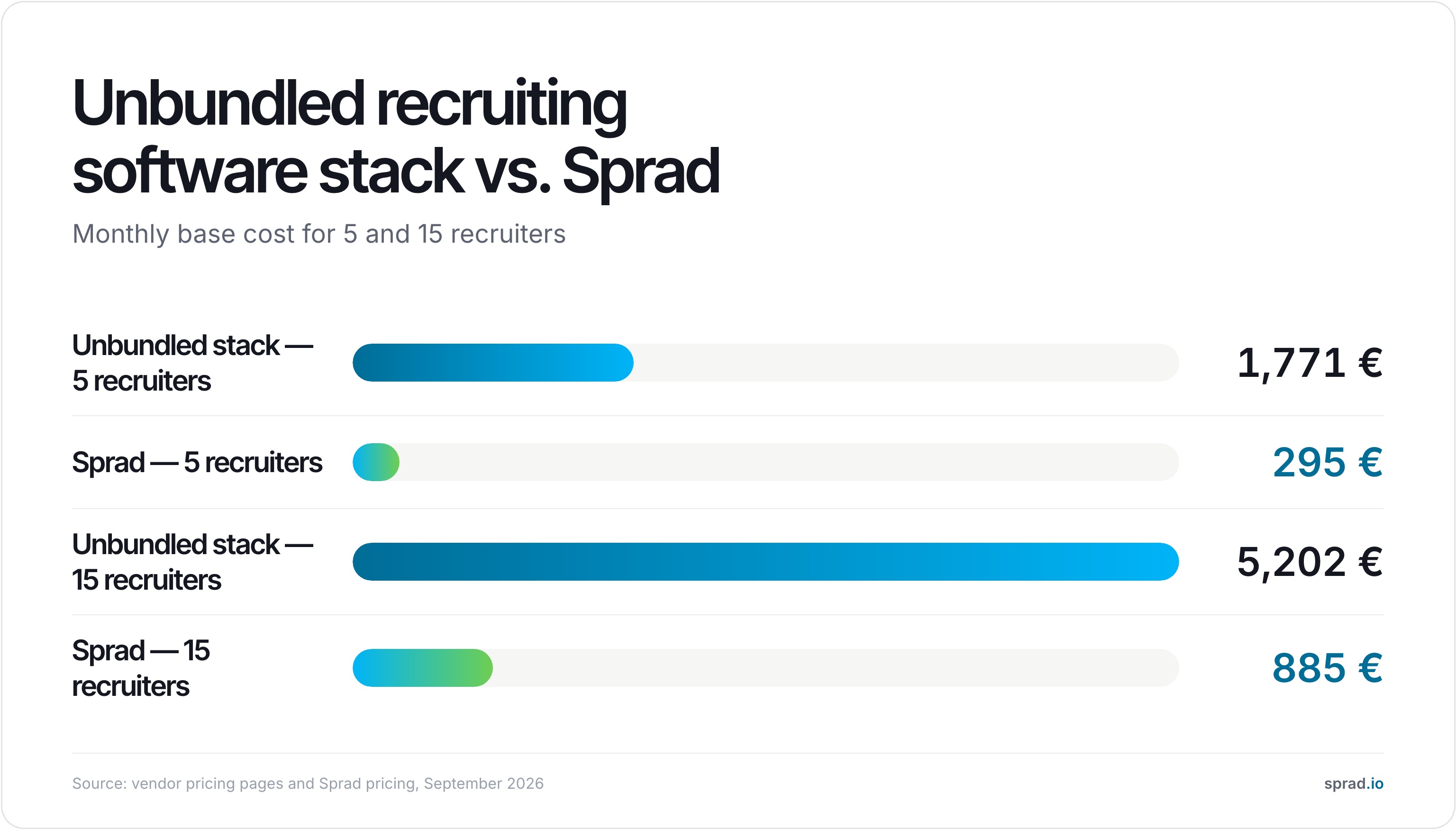
5 × 343 € = 1,716 €/month in per-seat tools, plus the shared 55 €/month lemlist account, comes to roughly 1,771 €/month — about 21,250 €/year. None of this includes the per-search or per-contact credits that Kaspr, LinkedIn's InMails or hireEZ-style tools also meter separately once a plan's included volume runs out.
15 recruiters, unbundled stack
15 × 343 € = 5,147 €/month, plus the same shared 55 €/month outreach account, comes to roughly 5,202 €/month — about 62,430 €/year. The per-seat tools don't get materially cheaper at this size unless the agency negotiates a custom enterprise deal, which is exactly the point where pricing on tools like Bullhorn, Loxo and hireEZ stops being public.
What Sprad's bundled model costs instead
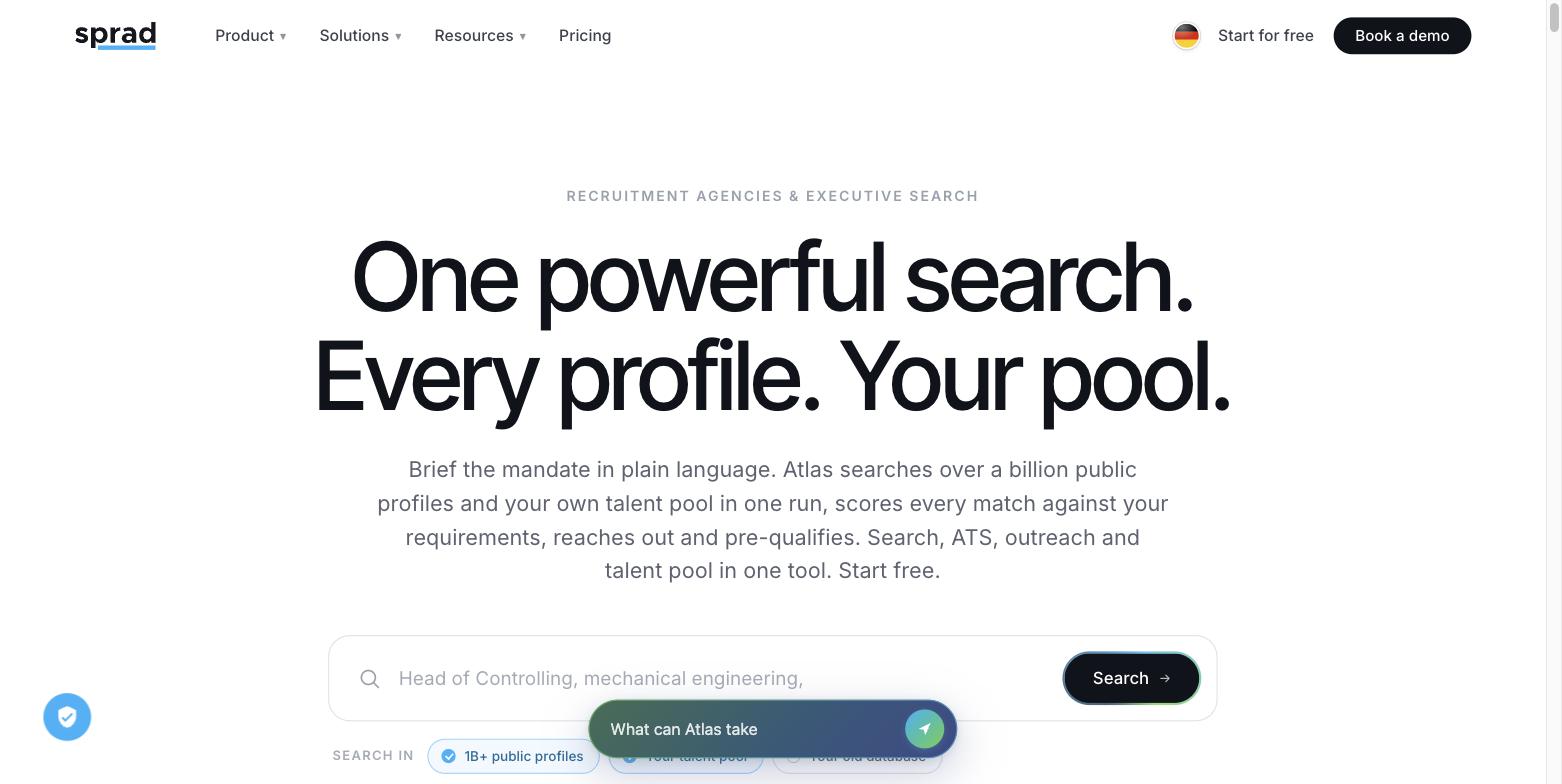
A 5-recruiter team pays 295 €/month (3,540 €/year) as its base, before any usage; a 15-recruiter team pays 885 €/month (10,620 €/year). Actual usage runs at roughly 3 credits per full application review, 2 credits per profile that passes an external search across 1B+ profiles (at most 100 credits per run), and 28 credits for a 5-minute voice screening call — rejected profiles cost nothing at all.
The renewal trap: three tools where the sticker price isn't the story
The number on a pricing page is often the number for exactly one year. That shows up clearly in three of the tools from the table above — each looks reasonable at signup, and each has a documented catch that only surfaces on the second invoice or the sixth recruiter.
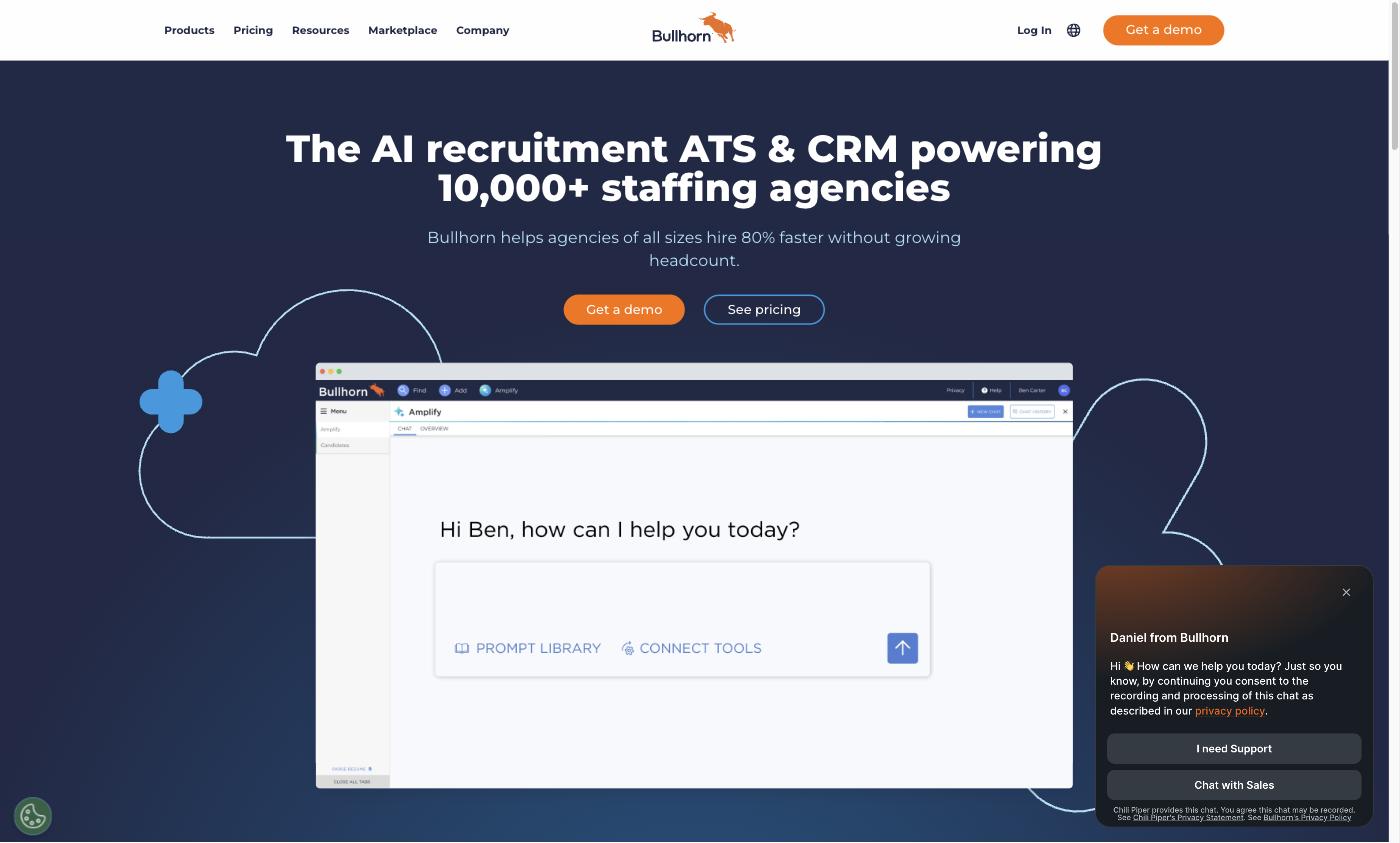
Bullhorn's Starter and Core plans don't include AI search, automation or call transcription — those sit behind a custom-quoted Pro or Max tier, per its own pricing breakdown. Capterra reviewers cite "implementation fees running into the thousands" plus annual price indexation at renewal.
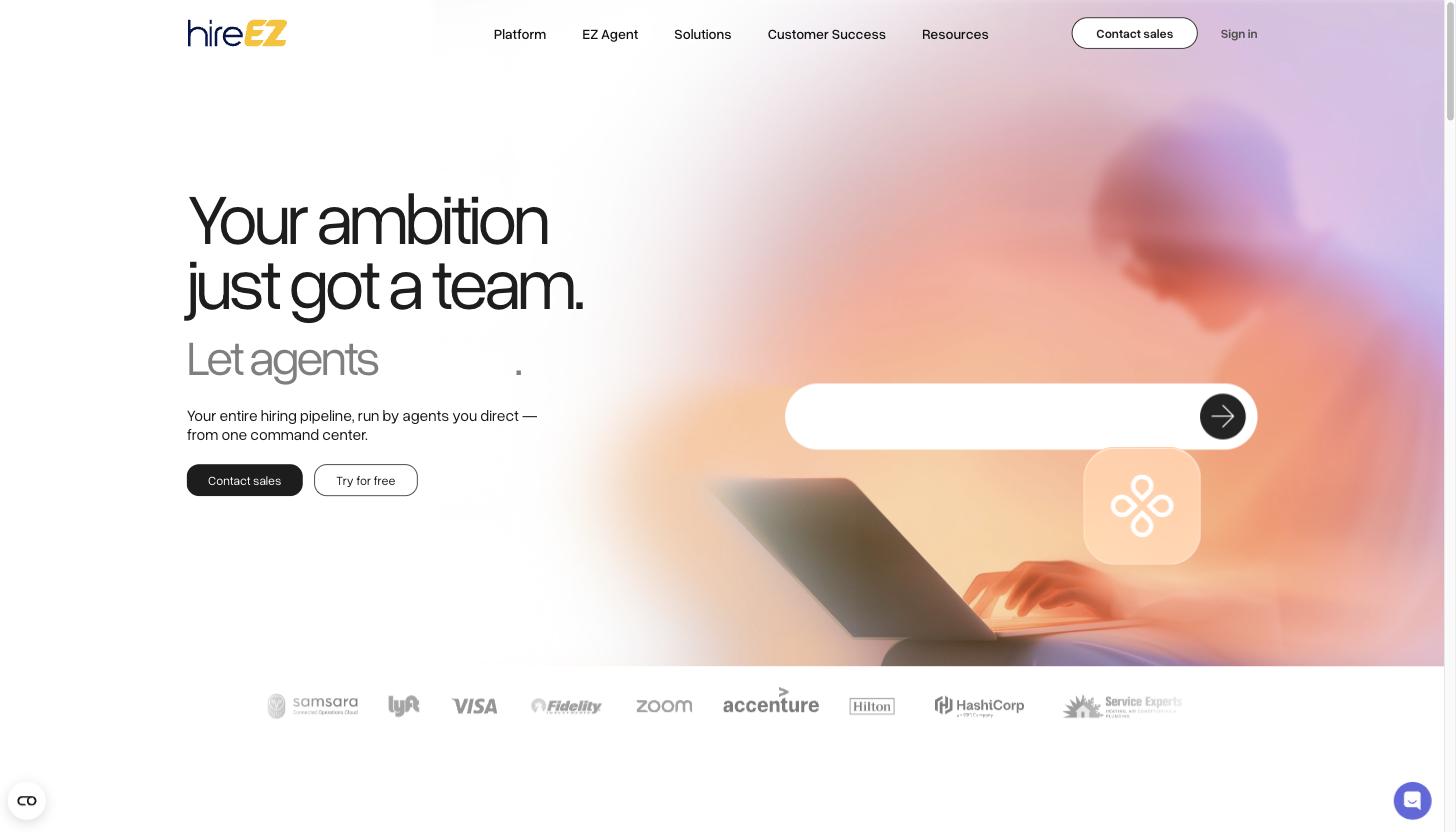
hireEZ's GitHub-based sourcing is a genuine strength for engineering roles (full pricing breakdown in our hireEZ pricing guide), but G2 reviewers flag "costs triple at renewal without prior notice" often enough for it to read as policy rather than an isolated complaint.
Vincere's automation add-on, Smart Pack, is priced per agency rather than per seat — a 2-recruiter agency pays the same Smart Pack fee as a 20-recruiter one, so the effective per-seat cost falls as headcount grows and rises sharply as it shrinks. See the full plan breakdown in our Vincere pricing guide for exactly what that means at your team size.
Where the real savings — and the real trade-offs — sit
- Idle capacity is the biggest hidden cost. A per-seat sourcing tool or enrichment subscription costs the same whether a recruiter runs one search a month or fifty. Credit-based pricing only charges for what happens.
- Enterprise AI features often sit behind a second price tag. Bullhorn's AI search and automation, Loxo's Talent Graph, and Recruiterflow's AIRA agent are all gated to higher, sometimes custom-quoted tiers — the entry-level price you see first isn't the price of the AI features that make the tool worth buying.
- A bundled tool trades some depth for lower total cost. Sprad doesn't yet have a full client CRM with deal stages (that's in beta), and outreach today runs through LinkedIn rather than email — a stitched-together stack can still out-specialize it on any single feature.
- Contract length changes the real annual number. Talentwunder's 24-month minimum and LinkedIn Recruiter's mandatory annual term both lock in a price before you know if the tool is actually worth it for your agency.
FAQ
How much does recruiting software cost per recruiter in 2026?
A single ATS/CRM alone typically runs 14–184 € per recruiter per month. Add a sourcing tool, contact enrichment, outreach sequencing and a notetaker, and a realistic unbundled stack lands around 340–400 € per recruiter per month before usage fees.
What's the cheapest way to cover all these categories?
A bundled platform. Sprad covers ATS, talent pool, external sourcing, outreach and voice screening for 59 € per recruiter a month plus pay-per-use credits, well under the combined cost of separate tools for each function.
Why do some tools show a low price but end up expensive?
Because the advertised entry price often excludes the AI search, automation or analytics features that justify buying the tool in the first place — Bullhorn, Loxo and Recruiterflow all gate their strongest AI behind a custom-quoted top tier.
Does a bigger team get a better per-seat price?
Sometimes, but only through a custom enterprise negotiation once pricing stops being public — which is also where comparison shopping gets harder. A credit-based model like Sprad's scales linearly and stays transparent regardless of team size.
What does a 5-recruiter agency pay with Sprad versus a typical stack?
Roughly 295 €/month with Sprad's base subscription versus about 1,771 €/month for an unbundled ATS, sourcing tool, enrichment service, notetaker and outreach account — before either one's usage-based add-ons.
Does bundling still pay off for a very small team?
That's where the difference shows up most: fixed per-seat costs don't spread across many people when there are only two or three recruiters, while a credit model only ever charges for actual usage from day one. The smaller the team, the more an idle seat in a separate sourcing or enrichment subscription actually costs.
One bill instead of five
The real cost of recruiting software isn't the number on any single vendor's pricing page — it's what happens when an agency needs an ATS, a sourcing tool, enrichment, outreach and call notes all at once, and pays five separate seat prices for it. Sprad bundles all of it into one workspace for 59 € per recruiter a month plus pay-per-use credits, with 200 free every month and no credit card to start. See the full numbers for your team size at sprad.io/industry/recruitment-agencies.
Jürgen Ulbrich
Jürgen Ulbrich has more than a decade of experience in developing and leading high-performing teams and companies. As an expert in employee referral programs as well as feedback and performance processes, Jürgen has helped over 100 organizations optimize their talent acquisition and development strategies.